Published:
1. Research first, then production
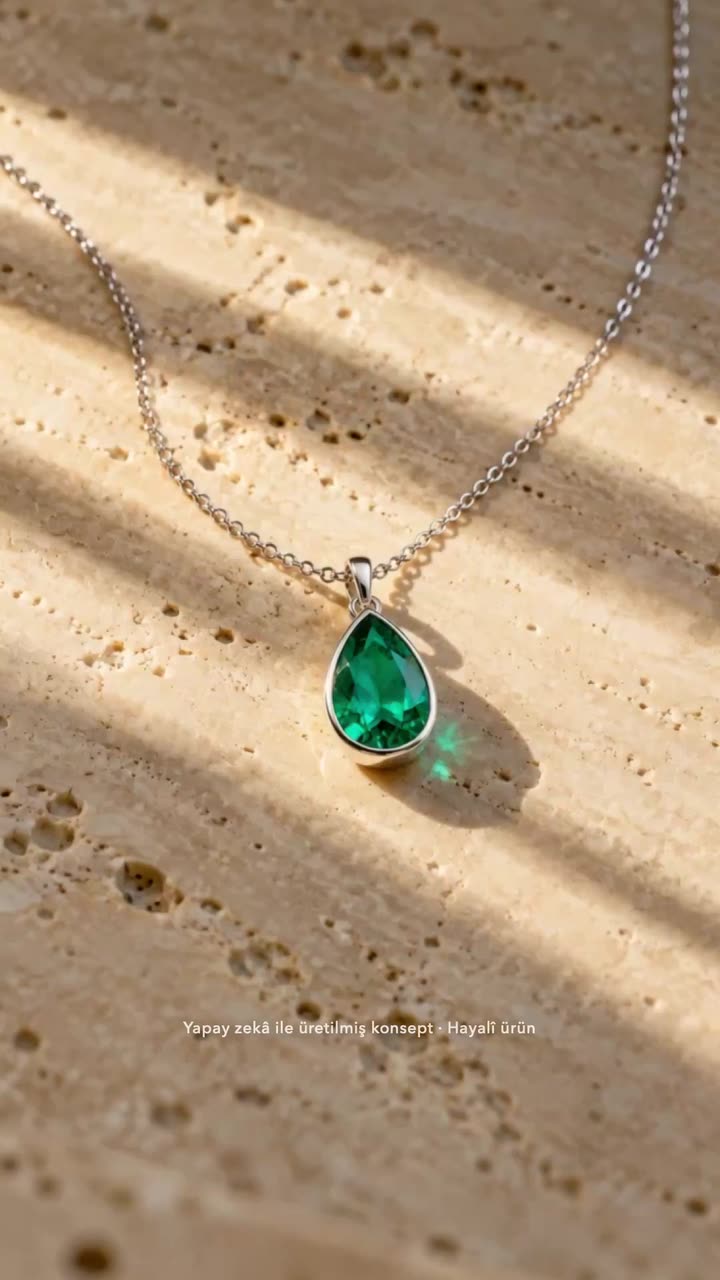
We look at ads that work in the product's category: which colours, what pace, what music, how much text on screen. Before our jewellery film, we studied premium brands' ads and built the film in that language.
2. Product photos
The starting point is the product itself. A clear photo from 3–5 angles is enough, and it can be taken with a phone. Colour, size and label must stay true to life in the film. Showing a product as something it isn't breaks trust in an ad.
3. Scene frames
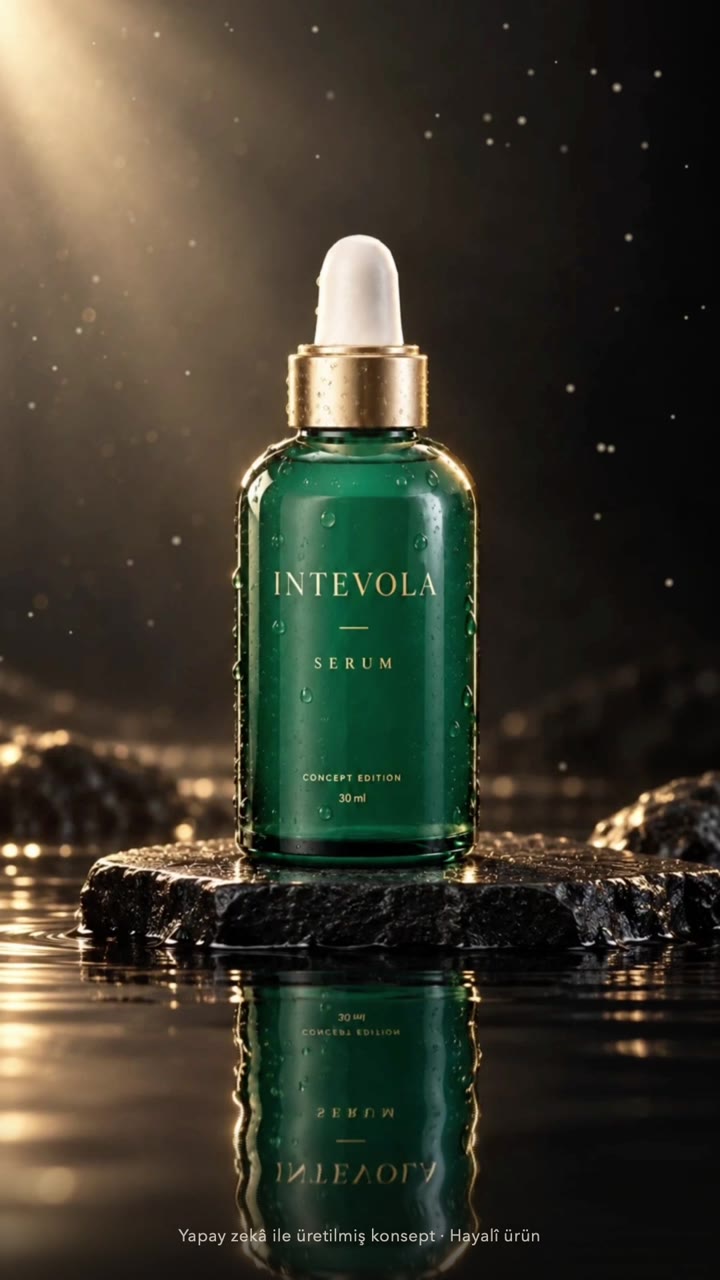
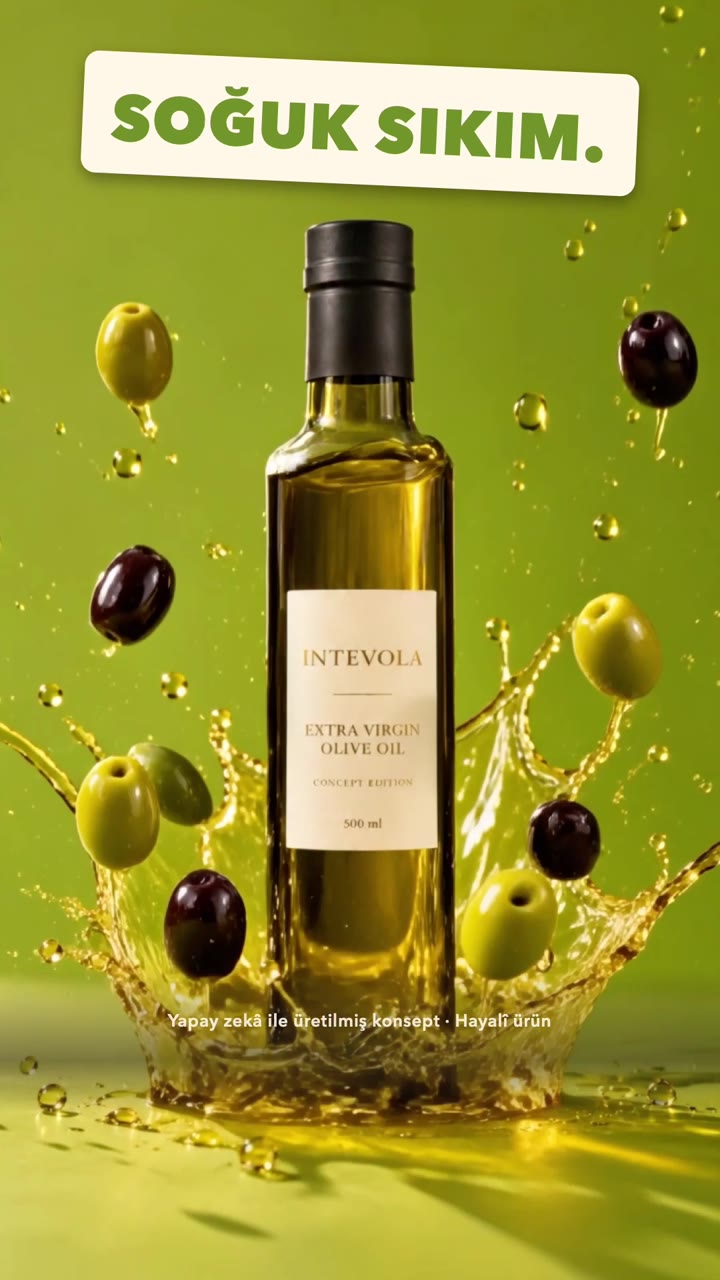
We generate scenes featuring the product with AI: a beam of light, wet stone, splashing olives. On a real project, we choose together with the brand at this stage, and a frame nobody likes doesn't make it to video.
4. Motion
The chosen frames become a few seconds of motion with AI. We take several attempts per scene and keep the cleanest.
5. Music
We generate a royalty-free track made for the film. Its tempo sets the rhythm of the edit.
6. Edit, text and safe area
We cut to the music and add only short lines that read clearly. Text must sit in the area Instagram's like, comment and caption elements don't cover. We don't deliver without checking this in a phone view.
7. Formats and variations
The same film comes in 9:16 for Reels, 4:5 for the feed and a square version. Several short versions from different angles can be produced for testing on Meta.
Limits
AI can't do everything. Real people using the product, macro shots of very fine texture or controlled camera moves sometimes need extra work. For scenes that need controlled motion, we use other methods such as 3D modelling.
Examples made with this process: Skin serum, Olive oil, Jewellery.